
Restaurant Pizza Oven Temperature: Getting It Right for Consistent Results
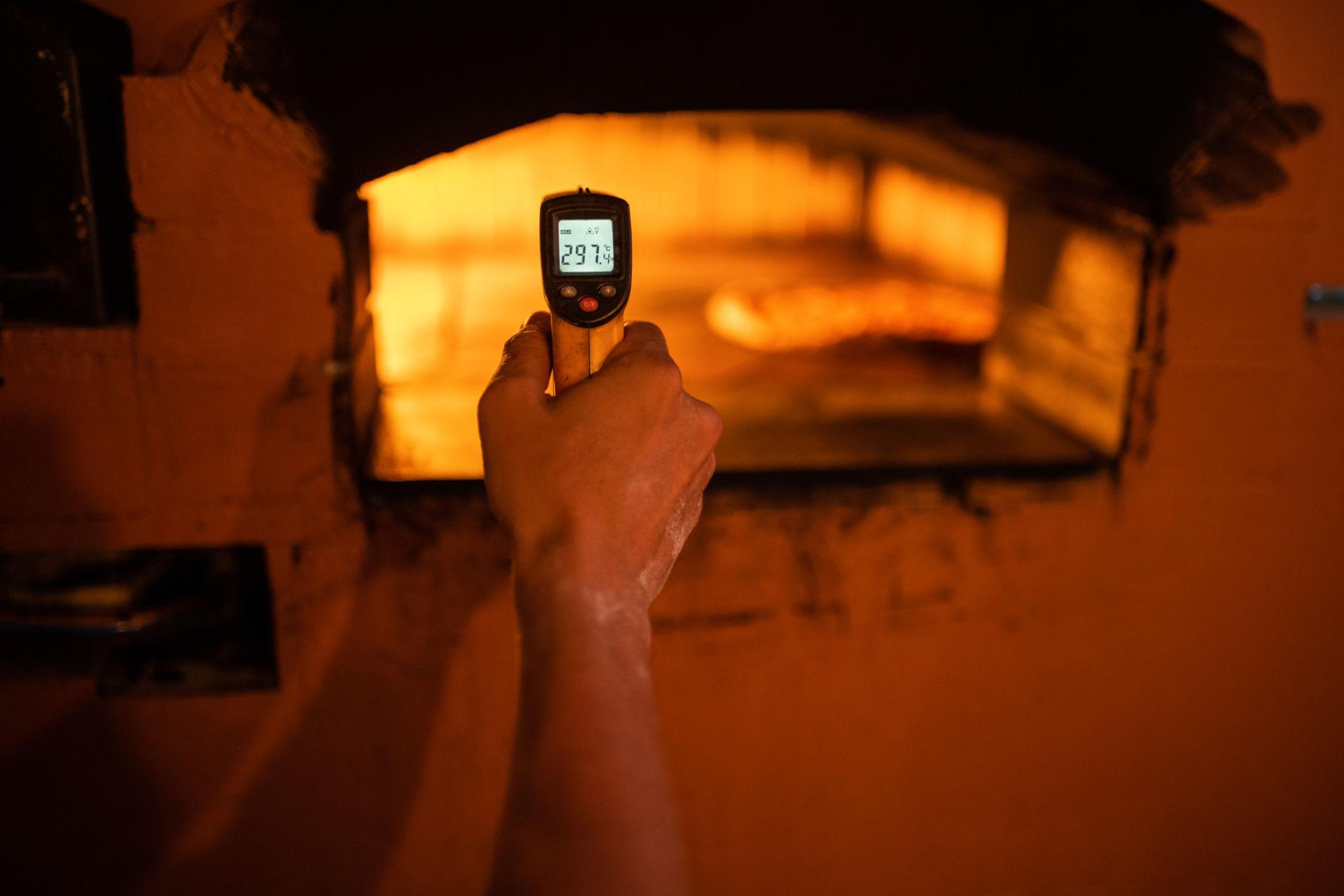
Temperature is one of the most important — and often misunderstood — factors in running a successful pizza operation. Whether you’re operating a restaurant or a takeaway, your oven temperature directly affects product quality, cooking time, and your ability to handle demand during peak service.
Getting it wrong leads to inconsistent pizzas, slower service, and unnecessary pressure on your kitchen team. Getting it right creates a reliable, repeatable process that supports high output without compromising quality.
What Temperature Should a Restaurant Pizza Oven Be?
Most commercial pizza ovens operate within a fairly consistent range:
-
- 300°C – 320°C for standard pizzas
-
- 320°C – 350°C for faster throughput
-
- 350°C – 400°C+ for thin crust or high-speed cooking
The exact temperature depends on your dough, toppings, and the style of pizza you’re producing. However, for most restaurants focused on efficiency, the 300–350°C range provides the best balance between speed and consistency.
Why Temperature Matters More Than You Think
In a commercial kitchen, small inconsistencies get magnified. If your oven temperature fluctuates or isn’t correctly set, it affects every pizza that goes through it.
If the temperature is too low:
-
- Bases remain soft or undercooked
-
- Cooking times increase
-
- Orders back up during busy periods
-
- Staff may try to compensate manually, creating inconsistency
If the temperature is too high:
-
- Crust burns before toppings are cooked
-
- Cheese and toppings cook unevenly
-
- Product quality becomes unpredictable
The goal isn’t maximum heat — it’s controlled, stable heat.
Consistency vs Peak Heat
One of the most common mistakes is assuming higher temperature equals better pizza. In reality, consistency is far more important than maximum heat output.
A well-calibrated oven running steadily at 320°C will outperform an inconsistent oven jumping between 280°C and 380°C.
Consistency allows:
-
- Repeatable results
-
- Predictable cooking times
-
- Easier staff training
-
- Faster service
This is why many commercial kitchens rely on conveyor ovens rather than manual systems.
The Role of Conveyor Ovens in Temperature Control
Conveyor ovens are specifically designed to remove variability from the cooking process.
Instead of relying on staff to manage timing and positioning, conveyor ovens:
-
- Maintain a fixed, stable temperature
-
- Move pizzas through at a consistent speed
-
- Ensure each pizza is exposed to the same heat profile
This makes them particularly effective in high-pressure environments like restaurants.
Cooking Time and Temperature Relationship
Temperature directly impacts how long each pizza takes to cook.
Typical cooking times:
-
- At 300°C → 6–7 minutes
-
- At 320–340°C → 4–6 minutes
-
- At 350°C+ → 3–5 minutes
Shorter cooking times increase output, but only if quality is maintained.
For most restaurants, the sweet spot is:
-
- Around 320–340°C
-
- 4–6 minute cooking time
This allows for efficient service without sacrificing consistency.
Managing Temperature During Peak Hours
The real test of an oven isn’t how it performs when the kitchen is quiet — it’s how it performs when demand spikes.
During peak service, ovens are constantly opened, loaded, and unloaded. This can cause temperature drops in lower-quality equipment.
A good commercial oven should:
-
- Recover heat quickly
-
- Maintain internal temperature under continuous use
-
- Deliver consistent results even at full capacity
This is where higher-quality conveyor ovens stand out.
Gas vs Electric Temperature Performance
Both gas and electric ovens can achieve the required temperatures, but they behave differently.
Gas Conveyor Ovens
-
- Faster heat-up times
-
- Stronger heat recovery
-
- Better suited to high-volume environments
Electric Conveyor Ovens
-
- More precise temperature control
-
- Even heat distribution
-
- Easier to fine-tune for consistency
The best choice depends on your kitchen setup and demand.
Practical Tips for Maintaining Consistent Temperature
To get the best performance from your oven:
-
- Preheat fully before service
-
- Avoid frequent door opening (where applicable)
-
- Keep airflow and ventilation clear
-
- Regularly check calibration
-
- Maintain consistent loading patterns
Even small adjustments can improve performance significantly.
Final Thoughts
Restaurant pizza oven temperature isn’t about chasing the highest number — it’s about control, consistency, and reliability.
The right temperature setup allows you to:
-
- Maintain quality
-
- Increase output
-
- Reduce pressure on staff
For most commercial kitchens, a stable conveyor oven operating in the 300–350°C range provides the best results.
Need help choosing the right pizza oven? Speak to our team today and get expert advice tailored to your kitchen.
FAQ – Restaurant Pizza Oven Temperature
1. What is the ideal pizza oven temperature for restaurants?
Typically between 300°C and 350°C for consistent results.
2. How long should a pizza take to cook?
Around 4–6 minutes depending on temperature.
3. Does higher temperature mean better pizza?
Not necessarily — consistency is more important.
4. Do conveyor ovens control temperature automatically?
Yes, they maintain stable heat and cooking time.