
Gas vs Electric Pizza Ovens: Which Is Better for Commercial Use?
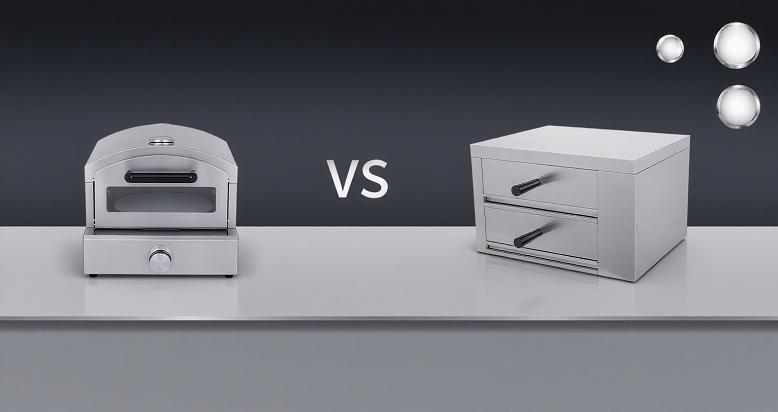
Choosing between gas and electric pizza ovens is one of the most important decisions when setting up or upgrading a commercial kitchen. Both options are widely used across restaurants and takeaways, but each has its own strengths depending on your setup and operational needs.
Understanding the differences helps you choose an oven that aligns with your workflow, output requirements, and long-term costs.
Gas Pizza Ovens: Built for Performance
Gas ovens are typically the preferred choice for high-volume commercial kitchens.
Advantages of Gas Ovens
- Faster heat-up times
- Strong heat output
- Better heat recovery during busy periods
- Lower running costs over time
This makes gas ovens ideal for environments where the oven is in constant use.
Electric Pizza Ovens: Flexible and Reliable
Electric ovens are often chosen for their simplicity and flexibility.
Advantages of Electric Ovens
- Easier installation (no gas connection required)
- More precise temperature control
- Even heat distribution
- Suitable for smaller kitchens
They are particularly useful where gas supply is limited or installation is complex.
Key Differences in Real-World Use
Heat Performance
Gas ovens tend to heat up faster and recover more quickly after loading.
Electric ovens provide more stable and controlled heat.
Running Costs
Gas ovens are generally cheaper to run, especially in high-volume environments.
Electric ovens may have higher energy costs depending on usage.
Installation
Gas ovens require:
- Gas supply
- Proper ventilation
Electric ovens:
- Plug into electrical supply
- Easier to install in most kitchens
Choosing Based on Your Business
High-Volume Restaurants or Takeaways
Gas ovens are usually the better option due to:
- Efficiency
- Lower running costs
- High output capability
Smaller Kitchens or Limited Infrastructure
Electric ovens offer:
- Simplicity
- Flexibility
- Easier setup
Long-Term Considerations
When choosing between gas and electric, think beyond immediate needs.
Consider:
- Future growth
- Expected volume increases
- Running costs over time
Choosing the right system now prevents costly upgrades later.
Where Conveyor Ovens Fit In
Both gas and electric conveyor ovens are widely used in commercial kitchens in restaurants and takeaways.
They provide:
- Consistent results
- High output
- Reduced reliance on manual operation
Final Thoughts
There is no universal “best” option — the right choice depends on your kitchen setup and how you operate.
- High demand and volume → Gas
- Simplicity and flexibility → Electric
The key is choosing an oven that supports your workflow and delivers consistent performance over time.
Need help choosing the right pizza oven? Speak to our team today and get expert advice tailored to your kitchen.
FAQ – Gas vs Electric Pizza Ovens
1. Are gas pizza ovens cheaper to run than electric?
Yes, gas ovens are typically more cost-effective for high-volume use.
2. Which heats up faster, gas or electric pizza ovens?
Gas ovens generally heat up faster and recover heat more quickly.
3. Are electric pizza ovens easier to install?
Yes, electric ovens are usually simpler to install as they don’t require gas connections.
4. Which is better for a takeaway business?
Gas ovens are often better for high-volume takeaways, but electric ovens work well in smaller setups.